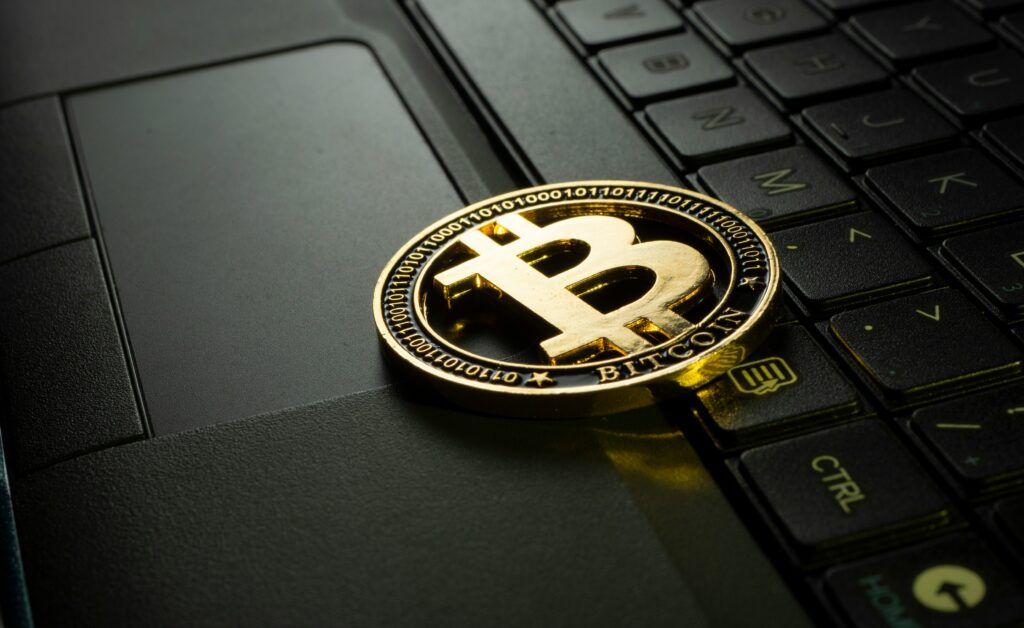
As online casinos evolve, digital currency has become an important part of how players deposit and withdraw funds. People now value faster payments, lower costs, and stronger privacy. These features shape how they choose where to play and how they manage their winnings. The most important payment options in a crypto casino help players move
As online casinos evolve, digital currency has become an important part of how players deposit and withdraw funds. People now value faster payments, lower costs, and stronger privacy. These features shape how they choose where to play and how they manage their winnings.
The most important payment options in a crypto casino help players move their funds safely, quickly, and with as little cost as possible. Each method, from Bitcoin to stablecoins, comes with its own benefits and risks. Understanding what matters most helps players make smarter choices and avoid unnecessary hassles throughout their gaming experience.
Transaction speed and confirmation times
Transaction speed sets the pace for how smooth play feels on a crypto betting site, directly affecting user satisfaction and gameplay flow. Fast deposits let players start instantly, but delays can occur once a withdrawal request is added to the blockchain. The time required for confirmations often depends on the chosen coin and network activity.
Each blockchain has its own pattern. Bitcoin may take an hour during high traffic, while other coins can confirm transfers in minutes. Casinos add another layer with internal checks or queue systems, which can slightly extend the wait.
Players often compare platforms based on how they handle on-chain confirmations and wallet processing. A well‑designed system can reduce delays by combining efficient wallet routing with small confirmation requirements. This balance allows players to move funds quickly while maintaining security.
Network fees and cost efficiency
Network fees can make a clear difference in how much players keep after a withdrawal. Traditional payment methods often include bank or card processing fees, while crypto transactions typically incur smaller network fees that vary with demand and blockchain activity. These costs can fluctuate, so players should check them before transferring funds.
Lower fees mean more of a player’s balance stays intact. For example, a typical crypto transaction might cost less than 1%, while some e-wallets or credit cards may charge higher fees per transfer. Even a small change in cost can add up over time.
Speed also affects cost efficiency. Faster confirmations in popular cryptocurrencies enable quicker access to winnings without long wait times. As a result, many players view crypto payments as an economical choice compared to traditional systems that often include hidden service or currency conversion fees.
Supported cryptocurrencies (e.g., Bitcoin, Ethereum, USDT)
A good crypto casino usually supports well-known coins such as Bitcoin, Ethereum, and USDT. These currencies have broad acceptance, which allows players to deposit and withdraw funds with fewer delays. Their large user base also gives players more trust in transaction stability and transparency.
Some casinos also include coins like Litecoin, XRP, or Solana. These alternatives often provide faster transfers and lower network costs. As a result, players who prefer speed or smaller fees may choose them over major coins.
Stablecoins such as USDT or USDC appeal to players who want to avoid large price changes. They keep a steady value, which helps maintain a predictable balance. In addition, casinos that support several coins give users more control over how they manage deposits and winnings, improving overall flexibility during play.
Security protocols and encryption standards
A crypto casino must protect user funds and personal data through strong security protocols. It depends on layers of protection that verify user identity and protect transactions from external interference. This helps build trust between the platform and its players.
Most casinos use encryption protocols such as SSL and TLS to secure data in transit. These standards convert sensitive information into unreadable formats, preventing attackers from seeing or misusing it. In addition, tokenization can replace account details with random codes to add another shield of protection.
Two-factor authentication adds an extra layer of security by verifying a user’s identity with a second factor, such as a code or app approval. Compliance with global payment security standards, including PCI DSS, is also important because it establishes rules for handling card and wallet data securely. Together, these measures reduce the chance of fraud and keep the gaming environment safer for users.
Privacy features and anonymity level
Privacy and anonymity matter to players who want to keep their financial details hidden. A crypto casino that supports private payment options helps protect users from data leaks and unwanted tracking. For those who value discretion, this factor can influence which platform they trust most.
Some cryptocurrencies, such as privacy-focused coins, use special technologies to mask wallet addresses and transaction amounts. These features make it harder for outsiders to trace funds between accounts. As a result, players gain more confidence that their gaming activity remains private.
Different wallets and payment tools provide varying levels of anonymity. Casinos that allow accounts without strict identity checks usually appeal to players who prefer not to share personal information. However, users should still review security measures like two-factor authentication and encryption to balance both privacy and safety.
Conclusion
Players value payment options that combine speed, safety, and clear transaction policies. Crypto wallets appeal to many because they deliver faster deposits and withdrawals with fewer fees compared to traditional banking methods. However, factors like market value changes and security practices still influence how practical each option feels.
Traditional methods such as credit or debit cards remain familiar. They suit players who want easy verification and customer support, but processing times tend to be slower. E-wallets and prepaid cards fill the middle ground by offering easier digital access without needing blockchain knowledge.
Each method carries trade-offs. The best choice depends on how much a player values privacy, speed, and transaction costs. By comparing these factors, players can select casinos that fit their comfort level and financial habits.