That sinking feeling again. Is my PC still good enough? You check the specs. You watch a YouTube video. You refresh Reddit one more time. Nothing helps.
That sinking feeling again.
Is my PC still good enough?
You check the specs. You watch a YouTube video. You refresh Reddit one more time.
Nothing helps.
Upgrading too soon burns cash you don’t have. Waiting too long means stuttering in Cyberpunk while your friends laugh at your 30 fps.
I’ve built and upgraded PCs for over a decade. I’ve seen every GPU launch. Every game engine jump.
Every “you need this now” panic that turned out to be nonsense.
When Should I Upgrade My Gaming Pc Jogameplayer isn’t about hype or fear.
It’s about real tests you can run today.
Tests that tell you (with) near certainty (whether) your system will handle the next six months of games.
No guesswork. No sales talk. Just clear signals.
You’ll know exactly when to pull the trigger.
And when to walk away.
The Bottleneck Test: Is Your PC Sabotaging Itself?
A bottleneck is when one part of your system drags the rest down. Like buying a Lamborghini and hooking it to a lawnmower engine.
Your GPU might be screaming at 1080p, but if your CPU is flatlined at 100%, you’re not getting the frames you paid for.
I run MSI Afterburner with RivaTuner. Free. Lightweight.
No BS.
Open it before you launch the game. Hit Alt+R to toggle the overlay. Watch three numbers: FPS, GPU Usage %, and CPU Usage %.
Not the average. The live, bouncing, real-time numbers.
If GPU usage sits below 85% while CPU hovers near 100% in Cyberpunk or Starfield, your CPU is the choke point. Not the GPU. Not the RAM.
The CPU.
And yes (this) happens more often than you think. Especially with Ryzen 5 3600 or Intel i5-9400F builds still kicking around.
RAM? Less than 16GB? You’re probably stuttering in Elden Ring or Hogwarts Legacy because Windows is dumping assets to disk.
That’s not lag. That’s starvation.
Upgrade RAM first if you’re at 8GB. It’s cheap. It’s fast.
It fixes real problems.
You don’t need to guess. You need data.
Check out Jogameplayer (it’s) built for exactly this kind of real-world diagnosis. Not theory. Not benchmarks.
What your rig does right now.
When Should I Upgrade My Gaming Pc Jogameplayer? Ask that after you’ve watched those numbers for ten minutes in two different games.
If GPU usage dips below 70% consistently, and CPU stays above 95%, stop shopping for a new RTX. Buy a used Ryzen 5 5600.
If RAM usage hits 95% before the boss fight even starts. Go buy DDR4 3200 CL16. Done.
Don’t trust YouTube reviewers. Trust your own overlay.
I’ve seen people drop $800 on a GPU while their 8-year-old motherboard throttled the PCIe lanes.
That’s not an upgrade. That’s a tax.
The ‘Next-Gen’ Litmus Test: Are Upcoming Games Leaving You?
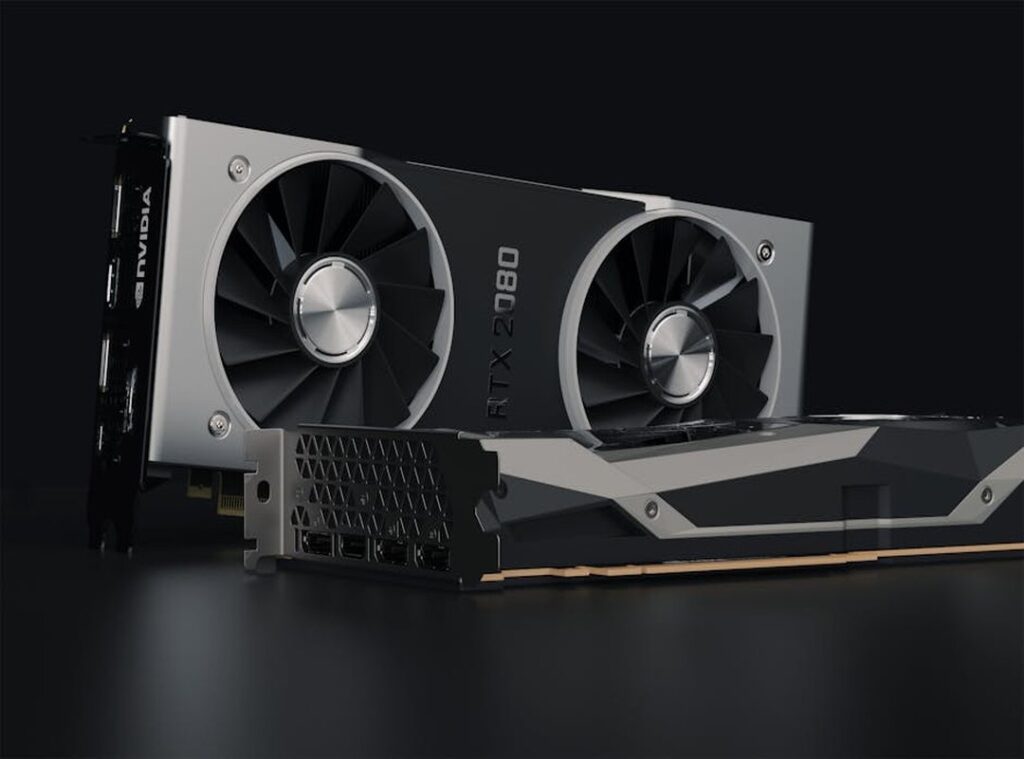
I just tried Starfield on my 2019 RTX 2070 build. It ran. Barely.
At 1080p, low settings, 45 fps with stutters when ships flew overhead.
That’s not gaming. That’s waiting.
I go into much more detail on this in How Often Should I Upgrade My Gpu Jogameplayer.
New consoles don’t just raise the bar. They reset it. And PC games follow fast. Alan Wake 2, Final Fantasy XVI, Avowed: all built for Ray Tracing, DLSS 3.5, and DirectStorage.
You know what DirectStorage does? Lets your NVMe drive feed assets straight to the GPU. No CPU bottleneck.
My old SATA SSD can’t even whisper that sentence.
Minimum specs tell you if a game starts. Recommended specs tell you if it feels good. There’s a 30% performance gap between them (sometimes) more.
So here’s what I did last week: I opened Steam, clicked “Upcoming” and picked three games I actually care about. Then I scrolled down to Recommended. Not Minimum (and) wrote them down.
Try it. Right now. Open one tab.
Do it.
If your GPU is older than your last phone upgrade, you’re already behind.
Your CPU matters more than you think. Ryzen 5 3600 or Intel i5-9400F? Fine in 2020.
Not fine in 2024. New engines demand PCIe 4.0, DDR5 bandwidth, and thread count.
DLSS and FSR help. But only if your card supports them. An RTX 2060 won’t run DLSS 3 Frame Generation.
Period.
So ask yourself:
Do I want to play these games at 1440p, 60 fps, max settings. Or just watch cutscenes?
When Should I Upgrade My Gaming Pc Jogameplayer?
Answer: When the Recommended specs for two out of three upcoming games are 20% above your current hardware.
No drama. No hype. Just math.
And yes (I) upgraded my PSU before touching the GPU. (Pro tip: Don’t skip that step.)
The Money Factor: Where Performance Stops Paying Rent

I paid $1,200 for a GPU once. Got 12% more frames than the $800 model. Felt stupid the second I clicked “order.”
That’s diminishing returns in action. Not a theory. A receipt.
You don’t need the fastest chip to play Cyberpunk at 60 fps. You need the right chip for your monitor and your wallet.
New GPUs drop every spring. Prices on last year’s models crash—hard. By summer.
I bought an RTX 4070 in July. Paid $579. Same card sold for $699 at launch.
That gap isn’t luck. It’s math.
Black Friday? Sure. But it’s noisy.
Too many fake “deals.” Better to wait for the next launch. And grab the prior gen when retailers clear stock.
Flagship models are status symbols. Not value plays. Skip the xx80 or xx90 at launch.
Go for the xx70 series instead. Or AMD’s 7700 XT. They hit the sweet spot: raw power without the tax on your sanity.
Want proof? Use CamelCamelCamel or PCPartPicker’s price history. If today’s price is below the 90-day average?
Good sign. If it’s spiking after a new release? Walk away.
Used parts? Yes. A previous-gen CPU or GPU from a trusted seller can save you 30. 50%.
Just avoid mining cards with unknown hours. Ask for temps and stress-test logs. (I once got a Ryzen 5800X that ran cooler than my brand-new one.)
When Should I Upgrade My Gaming Pc Jogameplayer? Honestly? When your current setup can’t run the games you actually want (at) settings you’ll tolerate.
Not because a YouTuber said so.
If you’re chasing 240 fps on a 60Hz monitor, stop. You’re spending money on air.
For deeper timing advice. Like how long to hold onto a GPU before swapping. I cover it in this guide.
Your rig doesn’t need to win benchmarks. It needs to win your time.
Beyond the Frames: When Your PC Stutters at Real Life
My PC chugs opening Discord.
Then it freezes when I try to record a 10-minute clip.
That’s not gaming lag. That’s your system screaming.
Those aren’t quirks. They’re warnings.
I wrote more about this in Jogameplayer Gaming System.
Extremely slow boot times? Sluggish multitasking? Struggling with basic streaming or editing?
When Should I Upgrade My Gaming Pc Jogameplayer isn’t just a question (it’s) a symptom.
I stopped waiting for crashes. I upgraded when my browser tabs started fighting over RAM.
If this sounds familiar, you’ll want to read more about real-world performance testing. this guide helped me trust my gut.
Your Upgrade Roadmap Ends Here
I’ve been there. Staring at my PC, wondering if it’s just slow. Or actually failing.
That anxiety? It’s real. And it’s exhausting.
You don’t need another vague opinion. You need When Should I Upgrade My Gaming Pc Jogameplayer answered. Not guessed.
So here’s your homework: This weekend, install a performance monitor. Open your most demanding game. Watch your CPU and GPU usage.
If either hits 95%+ for more than 10 seconds? That’s your answer. Not speculation.
Not forum noise. Just data.
You control the upgrade. Not hype, not fear, not outdated benchmarks.
Most people wait too long. Then they overpay for what they didn’t need.
Your move.
Go check those numbers now.