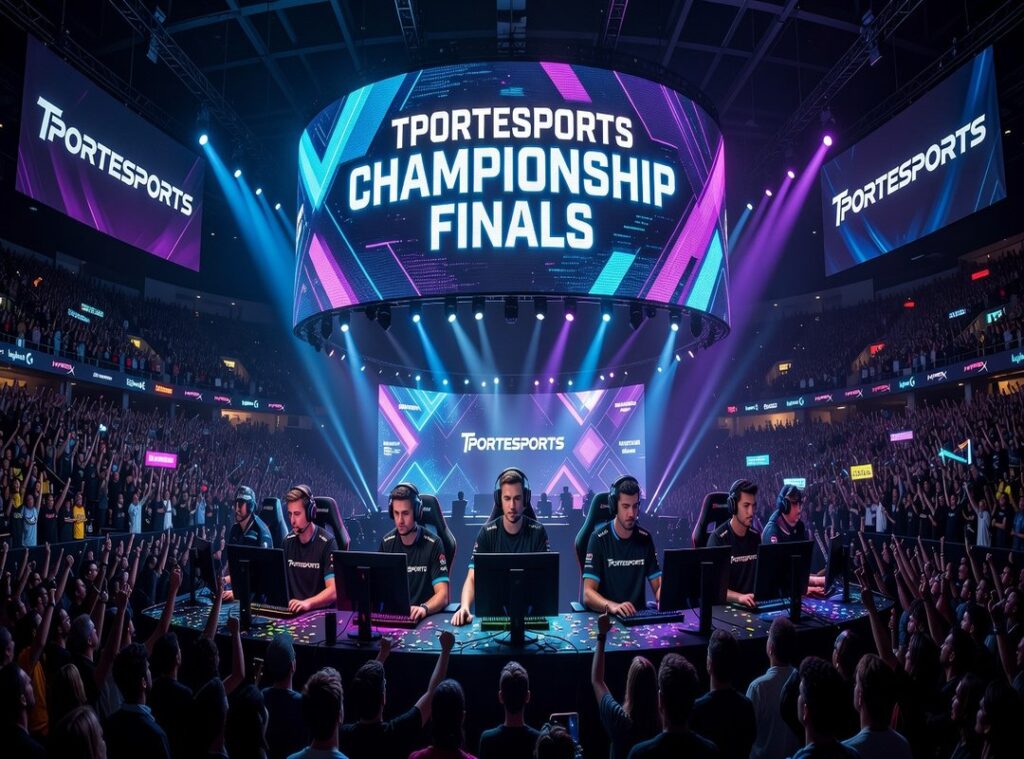
You’re watching a live final. The crowd is screaming. Lights flash. Players stare at screens like they’re holding their breath.
You’re watching a live final. The crowd is screaming. Lights flash.
Players stare at screens like they’re holding their breath.
Then you switch to an online qualifier. Silent. Just keyboard clicks and voice comms.
No crowd. No lights. Just raw, tense focus.
That’s the split reality of competitive gaming events. One moment it’s spectacle. The next, it’s logistics, schedules, and qualification rules nobody explains clearly.
I’ve watched every major title (League,) Dota 2, CS2, Valorant. From the inside. Not just the streams.
The backend. The contracts. The regional qualifiers that get buried under headlines.
You want to know how to get in. You want to spot which tournaments are legit and which are smoke and mirrors. You want to understand why some events pay out and others vanish after week one.
This isn’t about hype. It’s about structure. Who runs what.
How players actually qualify. What separates real competition from a sponsored stream.
I’ve sat through hours of broadcast delays, read dozens of tournament rulebooks, and talked to org managers who won’t go on record.
No fluff. No jargon. Just how it works.
You’ll walk away knowing exactly where Tportesports fits. And whether it matters for your goals.
And yes, I’ll tell you which events actually open doors.
How Competitive Gaming Events Actually Work
I’ve watched enough grand finals to know one thing: the structure isn’t random. It’s a ladder. And you have to climb it.
Open qualifiers let anyone show up. You register, play a few matches, and either move on or go home. (Yes, even your cousin who mained Jett for three weeks gets a shot.)
Then come closed qualifiers. Invite-only. Tighter fields.
Better players. Fewer memes.
Regional leagues follow. Like VALORANT’s Challengers. Weekly play.
Points matter. Roster stability starts cracking here. Teams drop players mid-season.
It happens.
Masters events are international. Bigger prize pools. More pressure.
And yes, they feed directly into Champions. That’s where the world title gets decided.
The International? Same idea. Regional qualifiers → TI main event.
Valve doesn’t hand out invites. You earn them (or) you don’t.
Organizers like Riot and Valve run their own circuits. ESL and BLAST host third-party majors. Platforms like FaceIt and Battlefy handle grassroots stuff.
Community-run events? They’re scrappy. Fun.
Often underfunded. (And sometimes better than the pro ones.)
Single-elimination is fast and brutal. Double-elimination gives you a second chance (unless) you’re in losers bracket and lose again. Swiss format?
Used in early stages when you have 64 teams and no time to run full brackets.
Scheduling is exhausting. Weekly matches mean little prep time. Seasonal formats let teams breathe (but) also let sponsors vanish between cycles.
If you want to understand how it all fits together, Tportesports breaks down real-world examples without fluff.
Most teams fail before they hit the big stage. Not from lack of skill (from) misreading the structure.
Who Pays for These Events. And Why You Should Care
I’ve watched tournaments where the prize pool doubled overnight. Then saw teams get paid three months late.
Publisher money funds most big events. They care about game health (not) just viewership. That’s why you’ll see slower rule changes and more support for grassroots leagues.
Sponsors? Hardware brands, energy drinks, crypto projects. They want eyeballs.
Fast. That’s why some events feel like ad breaks with gameplay tacked on.
Media rights deals are invisible to players (until) the broadcast schedule forces a 3 a.m. match in your time zone.
Ticket and merch revenue? It rarely trickles down. Teams get base salaries (if they’re lucky), prize splits (often capped), and appearance fees (only if you’re invited).
Revenue sharing is mostly fiction. I’ve seen indie teams forfeit because their payout was delayed twice (no) contract clause covered it.
Red flags? Vague eligibility terms. No public payout timeline.
Rules that change mid-season without notice.
Geopolitical stuff matters too. Payment restrictions block teams from certain countries. Regional licensing shuts out players who just want to compete.
Tportesports runs one of the few circuits with public payout calendars and fixed eligibility windows. Not perfect (but) transparent.
Ask yourself: Who benefits when your match gets moved to fit a sponsor’s livestream?
Because if you’re not asking, someone else already decided.
How to Actually Get Into Real Competitive Gaming

I’ve watched too many teams register for a tournament, then panic two days before because their mic wasn’t working.
Liquipedia is your first stop. It’s updated daily and crowdsourced by people who live this stuff.
Esports Charts shows prize pools and viewer stats (useful) if you care about legitimacy (and you should).
Official game esports portals? Mandatory. Riot, Valve, Blizzard (they) post deadlines no one else has.
Discord communities often share last-minute invites. But verify every link. I’ve seen fake “ESL qualifiers” scam teams out of registration fees.
I wrote more about this in Difference between gamer and player tportesports.
Toornament aggregates smaller events. It’s where amateur teams actually find their footing.
Registration deadlines hit fast. Miss one? You’re out.
No appeals. No exceptions.
Roster verification means ID scans, platform-linked accounts, and signed team contracts. Yes, real signatures.
Hardware checks happen before match day. Not the night before. Test your stream, audio, and anti-cheat now.
Time zones wreck more squads than lag does. Double-check every match time against your local clock.
Here’s my 2-week prep plan:
Week 1 (scrim) every other day, review VODs for decision timing, adapt to the latest patch before it drops in tournament mode.
Week 2 (lock) in sleep schedules, cut caffeine after noon, run one full dry-run with stream + comms.
Missing region-lock rules gets you disqualified mid-tournament. Read the fine print.
Before you click “Register”, ask yourself:
Do I have government ID ready? Is my team contract signed? Did I grant platform permissions in advance?
Is my Discord verified? Is my streaming software tested? Do I know the Tportesports eligibility cutoff?
What Makes a Competitive Gaming Event Worth Your Time. Beyond
Prize money lies. It’s flashy, but it rarely pays rent.
I’ve watched players chase $5,000 cups while skipping $500 events that got them scouted. Why? Because scouts watch consistency, not just crowns.
Top finishes in Tier-2 events signal reliability. One win in an unranked cup? Noise.
Three top-4s in verified leagues? That’s your resume.
You build credibility by showing up (and) showing up well (over) time.
Networking isn’t small talk in a Discord server. It’s getting feedback from a pro analyst after your match. It’s landing a workshop seat with a caster who remembers your name.
Inclusivity isn’t a checkbox. It’s colorblind modes that actually work. Captioning that doesn’t lag by 8 seconds.
A published anti-harassment record (not) just a vague “we don’t tolerate it” line.
Predatory events charge $75 to enter and hide their judging criteria behind PDFs no one reads. Legit ones publish scorecards, stream judges’ notes, and pay out on time.
Tportesports runs events where the rules are public before registration opens. Not after.
Does your next event give you data you can show. Or just a trophy photo?
Ask that before you click “join.”
Your First Match Is Already Happening
I’ve been there. Staring at Liquipedia. Overthinking the rules.
Waiting for the “right” moment.
You don’t need permission to compete. You need clarity. And you just got it.
The three filters matter: clear rules, proof of past events, real contact info. Skip anything missing one.
That’s how you avoid wasting time. Or money. Or both.
Tportesports isn’t about hype. It’s about showing up with your roster. And knowing exactly what happens next.
So pick one qualifier listed this week. Check eligibility. Submit your team.
Even if you lose. Even if it’s messy.
Your first match isn’t about winning. It’s about claiming your place in the space.
Do it now.