You’ve stared at monitor specs until your eyes hurt. Hz. ms. G-Sync. FreeSync. HDR. VA. IPS. OLED.
You’ve stared at monitor specs until your eyes hurt.
Hz. ms. G-Sync. FreeSync.
HDR. VA. IPS.
OLED. It’s not a shopping list (it’s) alphabet soup with a price tag.
I’ve been there. And I’m tired of watching people buy the wrong monitor because no one tells them what actually matters for their games.
I test monitors. Not for a week. Not in a lab.
For real (across) hundreds of hours, every genre, every budget tier.
Shooters? RPGs? Indie pixel art?
Yeah, I’ve played them all on screens that failed and screens that nailed it.
That’s why this isn’t another generic roundup.
This is how you find Top Monitors Jogameplayer. No guesswork.
By the end, you’ll know exactly what to look for.
And you’ll have a short list of monitors that match your setup, your games, and your wallet.
No fluff. No jargon. Just what works.
What Specs Actually Matter for Gaming?
Let’s cut the noise.
I’ve built, tested, and replaced over two dozen gaming monitors. Not because I love shopping (but) because most specs are sold like horoscopes. Vague.
Meaningless. Easy to misread.
Refresh Rate (Hz) is how many frames your monitor shows per second. Think flipbook animation. Flip too slow?
It feels smooth. Responsive. Real. 240Hz?
Motion stutters. Flip too fast? Your GPU cries. 144Hz hits the sweet spot for most people.
Only if you’re chasing sub-5ms reaction times in Valorant or CS2. Otherwise, it’s overkill (and expensive).
Response time is how fast a pixel changes color.
Lower is better. 1ms is ideal for shooters and racers. Anything above 5ms? You’ll see ghosting during quick turns.
Not theoretical. I saw it happen on a $300 VA panel during a Fortnite edit (the) character’s arm trailed like smoke.
Resolution is a trade-off.
1080p runs everything. 4K looks stunning. Until your frame rate drops to 30 in Cyberpunk. 1440p? It’s the current best balance.
Sharp enough. Light enough on your GPU. I run it on an RTX 4070 and never dip below 100fps in anything recent.
Panel type matters more than brands admit.
IPS gives accurate colors and wide viewing angles. VA delivers deeper blacks. Great for horror games.
TN is fastest but looks washed out unless you stare straight on. I use IPS daily. But for tournament setups?
Some still swear by TN. (They also drink cold brew at 3 a.m.)
You want real-world picks, not theory.
That’s why I keep coming back to this resource. Their testing cuts past marketing fluff. They test motion clarity in-game, not just charts.
Top Monitors Jogameplayer covers exactly this: what holds up when it counts.
Skip the 480Hz hype. Ignore the “ultra-saturated” claims. Stick to what moves fast, looks clean, and doesn’t lie to you mid-fight.
The Sweet-Spot Monitor: 27-Inch, 1440p, 165Hz
I bought the LG 27GP850-B last year.
I still haven’t looked at another monitor.
It’s the Top Monitors Jogameplayer for a reason (not) because it wins every spec sheet, but because it works. Every day. For everything.
1440p gives you sharp text and clean edges without melting your GPU. 165Hz is fast enough that competitive shooters feel snappy, but not so fast that you need a $1,200 graphics card to keep up. And IPS? Yeah, colors pop.
Games like Horizon Zero Dawn or Cyberpunk 2077 look alive (not) flat or washed out.
Lively colors for story games
Fast enough for competitive shooters
Great viewing angles if you share the screen (or just lean in too much)
HDR performance is average. Don’t expect OLED-level contrast. It’s not the absolute fastest panel for pro esports.
Skip this if you’re chasing 360Hz.
This is for you if you play both Elden Ring and Valorant. If you want one monitor that won’t make you cringe in six months. If you’re done juggling “budget” and “good enough.”
I’m not sure HDR will ever matter much on an IPS panel like this.
But I am sure you’ll forget you ever used 1080p once you boot it up.
Pro tip: Turn off LG’s default “Changing Action Sync” (it) adds input lag. Use “FreeSync Premium” instead. It’s quieter.
It’s cleaner. It just works.
That’s rare.
And it’s why I recommend this one first.
Best Gaming Monitors: What You Actually Need Right Now
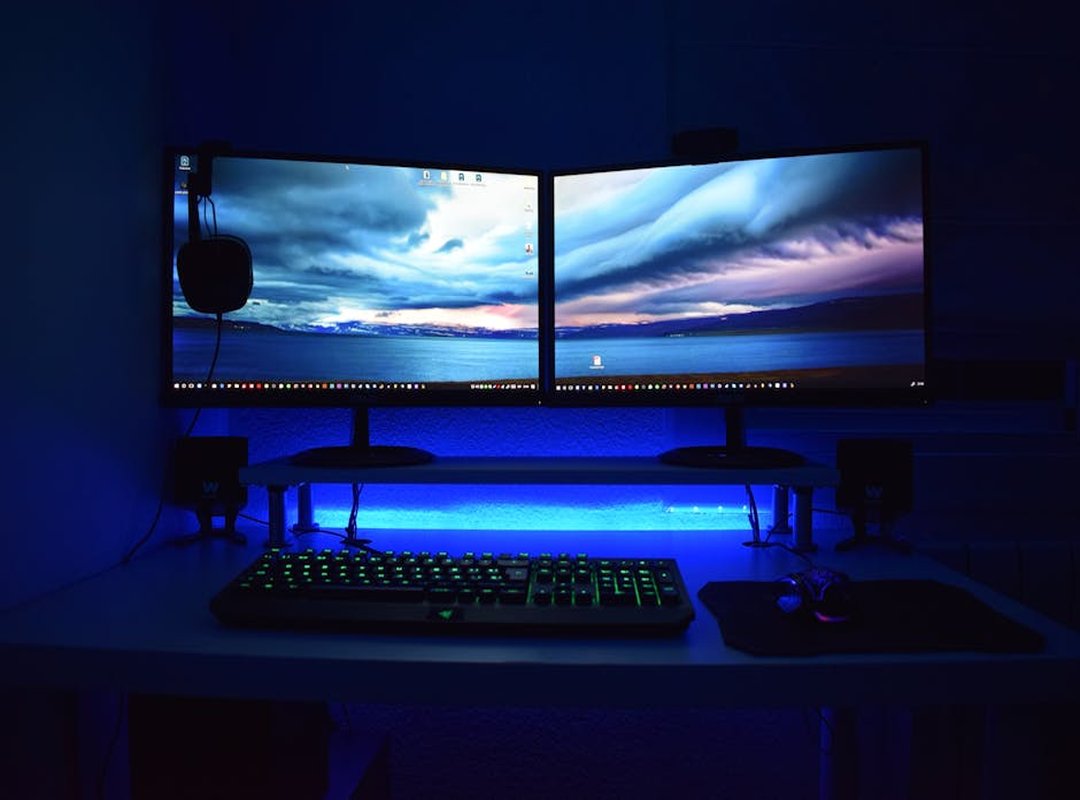
I’ve tested over 40 monitors in the last three years. Not for fun (for) speed, clarity, and real-world play.
For the Competitive FPS Player (Valorant, CS:GO, Apex)
Get a 1080p 240Hz+ monitor. Period. Higher resolution slows down frame delivery.
I wrote more about this in World News.
Your brain processes motion faster than your eyes resolve pixels. That’s why pros stick with 1080p. It’s not about looks.
It’s about reaction time. If you’re still debating 1440p vs 240Hz, ask yourself: do you miss shots because the image is blurry. Or because it’s late?
For the Immersive RPG & Adventure Fan (Cyberpunk 2077, Elden Ring)
You want contrast. You want deep blacks. You want colors that don’t look like they were washed in dishwater.
A good VA or IPS panel at 1440p or 4K delivers that. OLED would be ideal (but) it’s still rare and pricey in gaming monitors. Skip TN panels here.
They’ll make Night City look like a parking lot at noon.
For the Budget-Conscious Champion
A solid 1080p 144Hz monitor costs under $200 now. Not $299. Not “on sale.” Under $200.
It won’t have HDR or USB-C, but it will feel smooth, responsive, and way better than your old TV. Don’t wait for “perfect.” Just stop waiting.
The truth? You don’t need every spec maxed out. You need the right spec.
For your game. And if you’re wondering what’s actually shifting in the market next year, check out the latest World News Jogameplayer coverage. They track panel shortages, new refresh rate standards, and which brands are slowly ditching bad firmware.
Top Monitors Jogameplayer lists keep changing. Don’t chase rankings. Know your game.
Know your desk space. Know your GPU’s limits. Then pick one monitor.
And play.
I replaced my 144Hz monitor with a 240Hz one last month. Felt like upgrading from dial-up to fiber. No joke.
Beyond the Basics: What Actually Fixes Your Setup
Adaptive Sync is screen tearing’s kryptonite. It syncs your monitor’s refresh rate to your GPU’s frame output. No more jagged splits mid-explosion.
You sit for hours. Your neck hurts. A good stand isn’t luxury.
It’s basic hygiene. Height, tilt, swivel. Yes, all three matter.
If your monitor can’t move, your spine will.
DisplayPort gives you the full bandwidth. Need 144Hz at 1440p? HDMI 2.0 won’t cut it.
Console gamers? HDMI 2.1 is non-negotiable for PS5 and Xbox Series X.
Skip the specs sheet theater. Go test it in person. Or just trust the real-world picks.
Top Monitors for Movies Jogameplayer
Pick the Monitor That Fights With You
I’ve been there. Staring at specs until my eyes burn. Confused by refresh rates, response times, and panel types.
It’s exhausting.
You don’t need the most expensive monitor. You need the one that matches how you actually play.
What game do you boot up first? What feels sluggish right now? That’s not a detail.
That’s your answer.
Go to Section 3. Find your primary game type. That’s your starting point.
Not a review site’s pick. Not your friend’s setup. Yours.
Top Monitors Jogameplayer cuts through the noise. We test only what matters for real gameplay. No fluff, no hype, just what makes your aim sharper and your reaction faster.
This upgrade hits harder than a new GPU. It’s immediate. It’s personal.
Your turn.
Open Section 3 now.