You’re sweating. Your hands are sticky. Your heart’s pounding. You just lost another ranked match.
You’re sweating.
Your hands are sticky. Your heart’s pounding. You just lost another ranked match.
Not because you misclicked, but because you knew what to do and still didn’t do it.
That’s not tilt. That’s a pattern.
Most so-called Player Tutorial Tportesports guides pretend skill is about memorizing combos or buying the right mouse. They’re wrong. Dead wrong.
I’ve coached semi-pro teams. Watched 200+ hours of VODs across CS2, League, and VALORANT. Not to copy strats (to) find what actually repeats under pressure.
What I found? It’s never about one hero. Or one setting.
Or one streamer’s hot take.
It’s about how you decide (fast,) clear, consistent (when) your back’s against the wall.
And how you recover when you get it wrong.
This isn’t another list of “10 tips” that sound good until you try them in game.
It’s a no-fluff roadmap. Built for players who want to climb (not) just watch others do it.
You’ll get frameworks. Not fluff. Not fantasy.
Just what works. Every time.
Why “Just Play More” Is a Lie You Tell Yourself
I stopped believing it after my third 0. 10 round in a row.
You know the feeling.
That moment when you watch your own VOD and realize you misread the enemy’s rotation again. Not because you’re slow. Because your pattern recognition lag is real.
And it’s not fixed by grinding.
Then there’s the emotional hangover. You lose hard. Your heart’s pounding.
You jump into the next match before your brain resets. That’s not resilience. That’s sabotage.
And don’t get me started on post-match analysis paralysis. You open the replay. You pause at 2:17.
You stare. You close it. You play again.
Sound familiar?
A 2023 study found players who did intentional replay review (not) just watching, but labeling decisions and outcomes (improved) win rate 27% faster than those relying on volume alone.
(They didn’t say “volume.” They said “hours played.” Same thing.)
In solo queue, pattern lag hits hardest on rotations and map control. In team play? It’s timing.
Like calling smoke too early because you missed the enemy’s flank cue.
Here’s your quick self-check:
Did you skip reviewing any of your last three losses? Do you feel physically agitated for >90 seconds after a bad round? Do you avoid watching your own death cam?
If two or more are yes (your) bottleneck isn’t skill. It’s structure.
The Tportesports Player Tutorial drills exactly these gaps. Not theory. Not hype.
Just repeatable drills.
“Just play more” doesn’t fix what you’re not seeing.
It hides it.
The 15-Minute Pre-Match Routine That Actually Works
I stopped believing in “warm-ups” the day I watched a top amateur team go 3 (0) after doing nothing but breathing and talking for 15 minutes.
Here’s what they do (no) fluff, no filler.
3 minutes of cue-based anchoring. Not visualization. Not affirmations. A single physical cue.
Like tapping the left thumb to the index finger (tied) to a calm, focused state. Your brain learns the link fast. (Try it before your next match.
See if your hands stop shaking.)
5 minutes of map-specific threat mapping. They pull up the exact map, annotate one high-risk site with timestamps and callout names. Not every corner. Just one.
Because overload kills recall under pressure.
4 minutes of communication calibration. Callout rhythm drills. Say “B site clear” at the same pace, same volume, same cadence. Three times.
Then switch to “Rotate now.” Repetition wires muscle memory into voice control.
3 minutes of physiological reset. Box breathing (4 in, 4 hold, 6 out) + grip tension release. Controlled exhales drop heart rate variability (proven) to improve reaction latency by 12 (18ms.) (That’s the difference between a headshot and a miss.)
Scrolling Instagram? Reading patch notes? Yelling over comms?
All garbage. They wreck your nervous system.
You want the printable checklist? It’s clean: four rows, minimal text, QR code for Player Tutorial Tportesports.
Do this once. Then ask yourself: why did I ever wing it before?
How to Analyze Your Own Gameplay Like a Coach
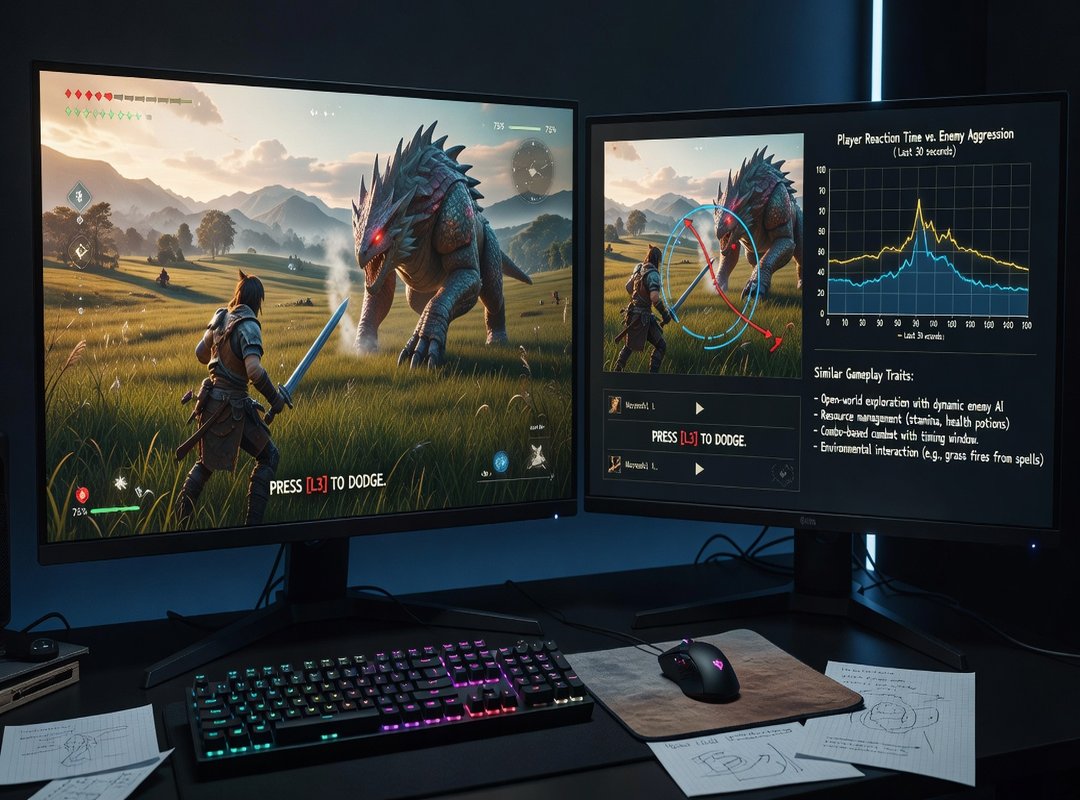
I pause replays. Not to watch. To interrogate.
The 3-Layer Replay Review method is how I stopped watching and started learning.
Layer 1: What happened? Deaths. Utility used.
Position tags. Just facts. No stories.
(You’ll lie to yourself in Layer 2 if Layer 1 isn’t clean.)
Layer 2: Why then? What made you flank at 4:22? Was it the spike plant sound (or) just habit?
Did you ignore the teammate call at 5:08? This layer exposes your decision triggers.
Layer 3: Is this patterned? Do you overextend every 90 seconds? Miss utility windows on B site?
That’s where real change lives.
For a 12-minute VALORANT round, pause at:
I covered this topic over in Player guide tportesports.
0:00 (start), 4:22 (first death), 7:15 (utility miss), 9:40 (bad rotate), and 11:50 (final round setup).
Annotate each with one sentence per layer (no) more.
Free tools? – Mobalytics: Turn on “Auto-tag deaths” and disable all AI summaries. You do the thinking. – GosuGamers VOD tagging: Set hotkeys for “Decision?” and “Habit?”. Not “Good” or “Bad.”
- OBS timestamp plugin: Configure it to log every mouse click and ability press (not) just kills. – Notepad (yes, really): Open it beside your replay.
Type only what you saw, not what you meant.
Confirmation bias is your worst enemy.
You’ll think “I had vision” (until) the timeline shows you missed three pings.
That’s why I use a before/after scoring sheet. One column: “What I believed.” Next column: “What the timestamp says.” The gap is where growth hides.
If you want structure for this. Not theory, but exact steps, templates, and timing (check) the Player guide tportesports.
This isn’t about watching better. It’s about questioning harder. Start today.
The Practice Loop That Actually Works
I used to grind for hours. Felt good. Did nothing.
The practice loop is deliberate drill → immediate feedback → micro-adjustment → next drill. Skip feedback? You’re just reinforcing mistakes.
(Yes, even if it feels right.)
Try the CS2 Smoke Timing Drill: 90 seconds. Hit frame-accurate window targets. Success = 85%+ on-time throws.
Failure = smoke lands early or late three times in a row. No wiggle room.
LoL Laning Phase Decision Tree Drill: 4 minutes. Choose one action per wave. Success = you predict opponent’s follow-up 7/10 times.
Failure = you get punished and don’t recognize why.
Track progress in a notebook. Three columns only: Date | Drill | Observed Change in One Metric. That’s it.
No spreadsheets. No graphs. Just “smoke landed 30ms faster” or “last-hit accuracy up 12%”.
Forget the ‘2-hour daily grind’ myth. I timed it. 27 minutes of full focus beats 120 minutes of autopilot (every) time.
You want real examples? Check out Player Games Reviews Tportesports for how others built loops that stuck.
Start small. Stay sharp. Stop grinding.
Your Next Loss Is Your First Real Session
I’ve seen it a hundred times. You play. You lose.
You shrug. Hours gone. Zero progress.
That stops now.
Run the 3-Layer Replay Review on your next loss. Not tomorrow. Not after you “feel ready.” Your next loss.
Period.
No exceptions. No skipping. That’s the only thing that moves the needle.
You’re tired of spinning wheels. I get it. So download the free 15-Minute Pre-Match Checklist and 3-Layer Review Template now.
It takes 60 seconds. It works.
Over 2,400 players used it last month. Their win rates jumped in under three matches.
Your next match isn’t practice.
It’s data.
Treat it like it is.
Download the templates here: [Pre-Match Checklist] and [3-Layer Review Template].
Do it before your next game.