That sinking feeling when you see a new GPU announcement and immediately check your PC’s specs. You wonder if your rig is already obsolete.
That sinking feeling when you see a new GPU announcement and immediately check your PC’s specs.
You wonder if your rig is already obsolete.
It’s exhausting. And it doesn’t have to be.
I’ve built, benchmarked, and upgraded high-end gaming PCs for over a decade. Not just once or twice. Every six months, sometimes more.
I know which upgrades move the needle. And which ones are just noise.
How Often Upgrade Gaming Pc Jogameplayer isn’t about calendar dates. It’s about real performance gaps. Real bottlenecks.
Real value.
You’re not buying parts to keep up with headlines. You’re upgrading to play better.
This guide gives you a clear system. No guesswork. No hype.
Just the exact signs that tell you. now is the time.
Or that tell you (wait.)
“Every 2. 4 Years” Is Lazy Advice
I ignore that timeline. Completely.
It’s built for people who treat their PC like a toaster. Plug it in, use it until it stops working, then replace it.
Enthusiasts don’t work that way. You care about performance targets. Not calendar dates.
Like holding 144 FPS at 1440p in Starfield. Or hitting 90 FPS consistently in Half-Life: Alyx. That’s your real upgrade trigger.
Not some arbitrary year count.
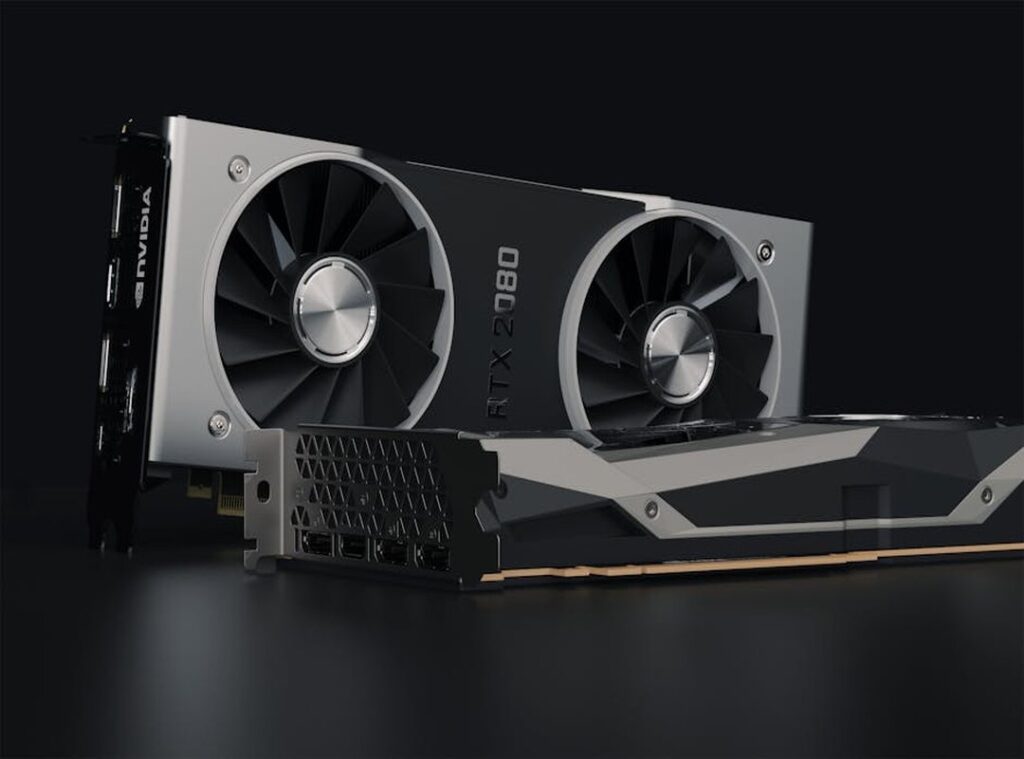
Hardware generations aren’t equal. The RTX 20-series brought ray tracing and DLSS. Huge leap.
The 3070 to 3080? Solid bump. The 4070 to 4070 Ti?
Barely worth the hassle.
So why would you force an upgrade just because it’s been three years?
You wouldn’t change your car tires every 24 months. You’d check the tread. Same with your GPU.
Run benchmarks. Test actual games. See where it stumbles.
That’s how you decide. Not by staring at a calendar.
Jogameplayer tracks exactly this kind of real-world performance decay. Not theoretical specs. Not marketing slides.
What your rig actually delivers right now.
How Often Upgrade Gaming Pc Jogameplayer? Ask your frame times. Not your watch.
If your current build hits your target, stay put.
If it doesn’t? Then (and) only then (start) shopping.
No guilt. No schedule. Just results.
You’re not maintaining hardware. You’re maintaining experience.
And experience doesn’t run on a timer.
The Real Reasons You Actually Need to Upgrade
You can’t hit your performance target.
Not just low FPS. Stuttering mid-fight. Dropping frames when shadows load.
Turning off textures because your GPU chokes on them.
That’s not “good enough.” That’s your PC saying I’m done.
If you’re lowering settings just to play, you’re not gaming (you’re) negotiating.
Bottleneck is the word people misuse most.
It means one part of your system is dragging the rest down. Your shiny RTX 4090 waiting on a six-year-old CPU? That’s a bottleneck.
Open Task Manager during gameplay. Watch CPU and GPU usage. If one hovers near 100% while the other sits at 40%, that’s your answer.
I wrote more about this in Top monitors for movies jogameplayer.
No guesswork needed.
A new technology changes the game.
DLSS 3 Frame Generation. DirectStorage cutting load times in half. PCIe 5.0 letting SSDs breathe.
These aren’t marketing fluff. They’re real features. And they often require new hardware to work at all.
You don’t upgrade for raw power. You upgrade to use something new.
Your peripherals outpace your PC.
You bought a 4K 144Hz monitor. Great. Now your GTX 1070 can’t push 60 FPS in Elden Ring at that resolution.
That monitor isn’t broken. Your PC is.
The display isn’t the problem. It’s the proof.
How Often Upgrade Gaming Pc Jogameplayer? Not on a schedule. On evidence.
I upgraded my rig last year. Not because it was old, but because my new monitor made my GPU sweat.
Don’t wait for crashes. Wait for the lag. The stutter.
The settings menu you keep opening to turn things off.
That’s your trigger.
Not a calendar date. Not a forum post. Your own experience.
If your PC forces you to choose between visuals and playability (you’ve) already waited too long.
Incremental or Full Rebuild? Pick Your Poison
I’ve done both. More than once.
Incremental means swapping one part (usually) the GPU. While keeping everything else.
Full rebuild means starting over: new CPU, motherboard, RAM, maybe even case and cooler.
You’re not choosing between cheap and expensive. You’re choosing between now and later.
Incremental feels safe. Lower upfront cost. Less time spent troubleshooting.
You pop in a new RTX 4070 and you’re back in Warzone in under an hour.
But here’s what no one tells you: that old 2018 B360 motherboard won’t let your new DDR5 RAM run at speed. (It doesn’t even support DDR5.)
That aging CPU will bottleneck your shiny GPU (especially) in CPU-heavy games like Cities: Skylines II or Starfield.
So yes, you upgraded. But half your system is still holding its breath.
A full rebuild costs more. Takes longer. Requires re-installing Windows, drivers, games.
But you get PCIe 5.0. DDR5. Modern power delivery.
A clean slate.
And it lasts longer before you hit the same wall again.
Then incremental might work.
Ask yourself: Is only one component maxing out while others idle?
Is your CPU platform older than 2020? Does it lack PCIe 4.0 or USB 3.2 Gen 2×2?
Then stop pretending. Start planning.
This guide helps you weigh trade-offs. Not just for your PC, but for your monitor setup too. read more
How Often Upgrade Gaming Pc Jogameplayer? That depends on how much you hate bottlenecks.
I rebuilt my last rig in 2022. Still going strong. No regrets.
I upgraded my GPU in 2021. Wasted $300 on a card my CPU couldn’t feed.
Don’t be me.
Know your weakest link. Then decide whether to patch it (or) burn it down.
When to Pull the Trigger on Parts
I wait. Not forever. Just long enough.
Buy new GPUs or CPUs the week they drop? You’re paying for hype (not) performance.
Wait 1. 2 months after launch. Prices drop. Bugs get patched.
Reviews settle into something useful.
That’s when I move.
I wrote more about this in What new game just came out jogameplayer.
Previous-gen high-end parts (like) last year’s RTX 4080 or Ryzen 7 7800X3D (become) insane value right after the new wave hits.
They’re still fast. They’re cheaper. And they don’t need a $300 motherboard to work.
Used GPUs? Yes, but only from people with receipts and stress-tested logs. (No shady eBay flips.)
You don’t need to upgrade every year. Ask yourself: What new game just came out that actually needs more power? Check what’s live right now.
How Often Upgrade Gaming Pc Jogameplayer isn’t about calendar dates (it’s) about real bottlenecks.
If your frame times are smooth, leave it alone.
Stop Counting the Years, Start Measuring Performance
I stopped upgrading on a calendar. You should too.
How Often Upgrade Gaming Pc Jogameplayer isn’t about years. It’s about your game stuttering. Your frame rate dropping.
That sinking feeling when you know it’s not good enough.
You’re not behind. You’re just waiting for proof.
That proof is in your favorite game. Right now. Not some review.
Not a YouTube video. Your screen. Your settings. Your eyes.
Is 60 smooth? Is 144 locked? Or are you stuck at 32 with tears in your eyes?
If it’s not what you need. Then upgrade. If it is, walk away.
No guilt. No pressure.
Most people upgrade too early. Or way too late. Both waste money and time.
You now know what to watch for. Bottlenecks. Targets.
Real-world tech shifts.
So before you open a browser tab. Load up your game. Check your framerate.
Are you happy?
If not (go) fix it.